
Guest Outreachy Team
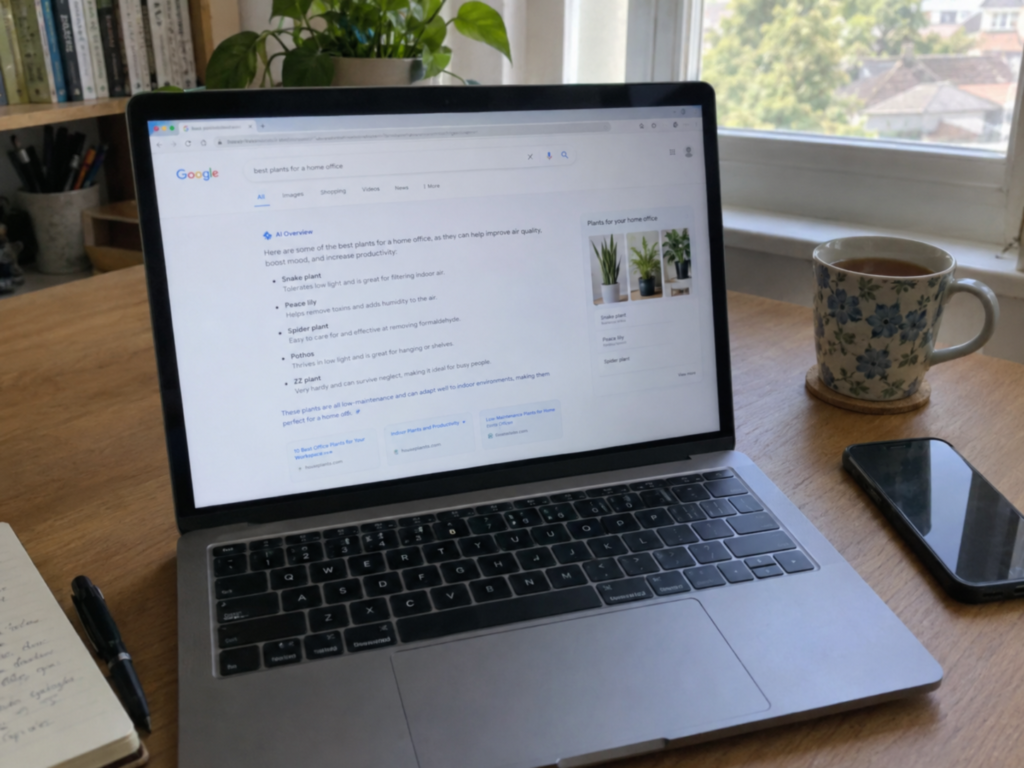
On October 15, 2026, Google changed how Google AI Mode links appear in search. Answers in AI Mode and AI Overviews now carry more inline links, and those links sit higher in the response. When your page is one of the sources, readers can reach you in one click. When it is not, that click goes to someone else.
The good news is that Google says no special markup, AI text files or new tricks are needed. Getting cited comes down to clear pages, good coverage of a topic and a site Google can crawl without trouble.
This guide covers what changed, how sources get picked and the steps that make your pages easier to cite. Two related reads: our guide to the Search Console AI report shows where this traffic appears, and our blogger outreach services page explains how mentions on other sites are earned.
Table of Contents
Five Changes From October 15
Google announced five updates to AI Mode and AI Overviews in a post on its Search blog. Two are still tests, so not every searcher will see them yet.
| Change | Status | What it means for site owners |
|---|---|---|
| Inline links | Live | More links inside the answer text, shown higher up |
| Official website section | Test | One or two official pages for a task at the top of the answer |
| News carousels | Expanding to more countries and languages | Timely articles, with Preferred Sources chosen by the reader shown first |
| Related article links | Live | Larger links with image thumbnails at the end of some answers |
| Creator profiles | Test | Creator names on video results link to their Search profiles |
The same post shares one number: use of Preferred Sources has grown more than seven times since the start of 2026. Preferred Sources lets a reader pick the sites they want to see more often in news results. For publishers, that makes a loyal audience worth more than before.
The change that matters most for most sites is inline links. Earlier, many links sat in a side panel or at the end of the answer, where few readers looked. Now more of them sit inside the sentences people read first.
How Sources Get Picked
Google explains the rules on its page about AI features and your website. They are shorter than most people expect.
The basic test. A page can appear as a supporting link if it is indexed and eligible to show in Google Search with a snippet. Google says there are no additional technical requirements and no special optimizations needed.
No new files. The same page says you do not need to create new machine readable files, AI text files or special markup to appear in these features.
Many searches behind one answer. AI Mode and AI Overviews may use a method Google calls query fan out. The system runs several related searches across subtopics and data sources, then builds one answer from what it finds. That is why these answers can show a wider mix of links than a normal results page.
This last point changes how you should plan content. Your page does not need to rank first for the main question. It needs to be a strong answer for one of the smaller questions the system searches along the way.
What you can control. Robots.txt rules for Googlebot decide what Google can crawl. To limit what shows from a page, Google points to nosnippet, data nosnippet, max snippet and noindex. Use these with care, because a page that cannot show a snippet cannot be cited either.
Steps to Earn Google AI Mode Links
These steps follow what Google has published. None of them is a shortcut, and that is the point: they are the same habits that keep pages ranking in normal results.
- Confirm Google can reach the page. Open URL Inspection in Search Console and check that the page is indexed. Then check robots.txt, your CDN and any security plugin. Firewall and bot rules on hosting sometimes block Googlebot without any warning to you.
- Remove snippet blocks you did not mean to add. Look in the page source for nosnippet or a very low max snippet value. Some SEO plugins add these through a single checkbox.
- Answer one question per section. Give each section a clear heading and put the direct answer in its first sentence. When the system searches a subtopic, a section like this is easy to quote and link.
- Cover the follow up questions. Write down the next five questions a reader asks after the main one. Give each a short section. This is where query fan out finds pages that do not rank first for the head term.
- Keep key facts in text. Prices, steps, dates and specs belong in plain HTML text and tables. Google lists textual content as a best practice, and facts locked inside images or PDFs are harder to use.
- Add proof only you can give. Your own test results, real photos, screenshots and client numbers make a page worth citing. A page that repeats what ten other pages say gives the system no reason to pick it.
- Keep structured data honest. Google asks that structured data match the visible text on the page. Markup that claims more than the page shows does not help and can cause trouble.
- Make official pages obvious. The official website test shows one or two pages for a task, such as booking, pricing or support. Give each of those tasks one clear page with a plain title, and link to it from your menu.
- Link your own pages together. Google lists internal links as a way to help content get found. A new guide with no links pointing to it is easy to miss.
- Keep the page fast and stable. Page experience is on the same best practice list. Slow, shifting pages lose readers after the click, even when they win the citation.
Example Plan for One Query
Here is how the steps above look on a real topic. Say a reader asks AI Mode how much a guest post costs.
To build its answer, the system may search several smaller questions. A page planned for fan out covers them one by one:
| Smaller question the system may search | Section on your page |
|---|---|
| What is the usual price range for a guest post? | A short answer with a price table by site type |
| What changes the price? | Traffic, topic and link type, each in one paragraph |
| Are paid guest post links allowed? | The rel sponsored rule in plain words |
| Is it cheaper to do outreach yourself? | Time and cost of each path compared |
| How can you spot a bad offer? | A short list of warning signs |
Each section opens with its direct answer. Each one also stands on its own, so a reader who lands on it from a citation understands it without scrolling up.
A page built this way has five chances to be cited instead of one. Even if a bigger site wins the main question, your section on warning signs can still be the link the reader clicks.
Mentions on Other Sites
Query fan out pulls links from many sites, not only yours. That means a useful article about your topic on another trusted site can be the page that gets cited, with your brand name inside it.
This is where guest posts and blogger outreach still earn their place in 2026. A well written post on a relevant site can:
- Rank for a subtopic your own site does not cover yet
- Put your brand name in front of readers through the cited page
- Send referral visits from readers who want to learn more
Be clear about what Google has and has not said. Google has not named brand mentions as a factor for AI features. The value here comes from the cited page itself being strong, relevant and indexed.
Two rules still apply. Paid placements need a rel sponsored or nofollow tag. And thin articles placed on many unrelated sites can break Google spam policies, which matters more after the September 2026 spam update finished rolling out on October 8.
Tracking This Traffic
Clicks from AI Mode and AI Overviews are counted inside your normal Search Console data. Google says these features are included in the Performance report under the Web search type. There is no separate filter that shows AI clicks alone.
So you track this traffic indirectly:
- Watch long question queries. In the Performance report, filter queries that start with how, what, why or which. These often match the kind of searches AI Mode runs.
- Compare impressions and clicks over time. A page whose impressions rise while its position looks low may be showing up as a source in AI answers.
- Check landing pages after a content update. If a page gains clicks soon after you add clearer sections, note which queries moved.
In most analytics tools, these visits arrive as normal Google organic traffic. Treat any tool that claims to split out AI Mode clicks exactly with caution, and ask how it measures them.
Common Mistakes
- Chasing AI text files or special tags. Google says they are not needed for AI Mode or AI Overviews. Time spent there is better spent on the page itself.
- Blocking Googlebot by accident. A CDN rule, firewall or maintenance mode can stop crawling without anyone noticing for weeks.
- Writing for the machine. Stuffing pages with question headings and short filler answers makes them worse for readers, and readers are who the citation is for.
- Publishing AI text at scale. Large volumes of low value pages fall under the scaled content abuse policy in Google spam rules.
- Ignoring old pages. An outdated fact on a page you wrote in 2024 can stop it being chosen. Review your most visited pages first.
FAQ
How do I get my site cited in Google AI Mode?
Make sure the page is indexed and can show a snippet, then give clear, direct answers to the main question and its follow up questions. Google says no special optimization is required.
Do I need an llms.txt file for AI Mode?
No. Google says you do not need AI text files, machine readable files or special markup to appear in AI Mode or AI Overviews.
Can I see AI Mode clicks in Search Console?
They are included in the Performance report under the Web search type, together with your other Google Search traffic. There is no separate AI filter.
What are Google Preferred Sources?
It is a setting that lets readers choose the news sites they want to see more often. Google says its use has grown more than seven times since the start of 2026.
Can a guest post get cited in AI Mode?
Yes, if the host page is indexed, relevant and answers part of the question well. The citation goes to the host page, which can carry your brand and a link to you.
Conclusion
Google AI Mode links now sit higher and appear more often, which makes being a cited source worth more than it was a month ago.
There is no hidden trick here. Keep pages crawlable and snippet eligible, answer the main question and its follow ups clearly, show proof only you have and keep official pages easy to find.
Then watch Search Console for long question queries and rising impressions. The sites that get cited in 2026 are the ones that make the best answer easy to find.
Pingback: How AI Is Transforming Digital Marketing in 2026