

Resource page link building is still one of the cleanest ways to earn a real editorial backlink, and it works by finding pages that already exist purely to link out to useful content, then giving the owner a genuine reason to add your page to that list. Unlike a cold guest post pitch, the person running a resource page already wants to link to more sites, which changes the entire tone of the outreach.
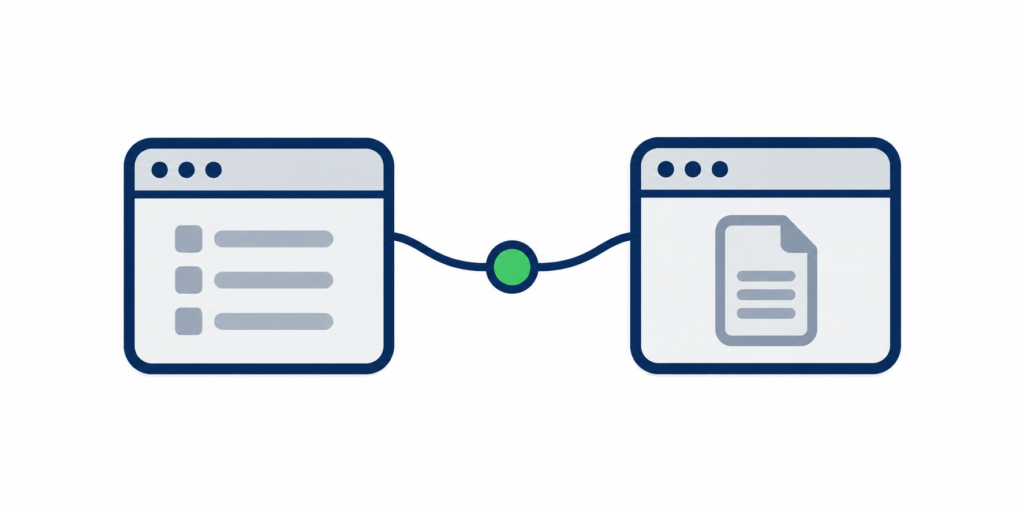
Table of Contents
What A Resource Page Is
A resource page is a page someone built specifically to curate links to other useful websites around a topic. Universities, nonprofits, industry blogs, and niche community sites all build these regularly, usually under titles like Useful Links or Recommended Resources or Further Reading.
The owner of that page already believes links out to good external content make their page more valuable to readers. That single fact is what makes this tactic fundamentally easier than most outreach, since you are not asking someone to do something unusual, you are asking them to do exactly what the page was built to do. This also places it firmly on the earned side of what Google own spam policies treat as acceptable, since the link exists because a curator chose to include it rather than because money or a quid pro quo arrangement changed hands.
Why This Still Works In 2026
A fair question worth asking directly is whether this tactic has aged out as search behavior shifts toward AI generated answers and listicle style roundups. The honest answer is that resource page link building has not disappeared, it has simply stopped being the only tactic anyone relies on. It works best paired with other approaches rather than carrying an entire link building campaign alone.
What keeps it relevant is the nature of who runs these pages. Education and nonprofit sites in particular tend to maintain resource pages for years without much editorial turnover, and a link earned there tends to stay live far longer than a guest post placement that depends on an active blog continuing to exist.
Finding Resource Pages Worth Pitching
Search Operators That Still Work
A handful of search string patterns consistently surface active resource pages rather than abandoned ones.
[your topic] inurl:resources
[your topic] "resources for" intitle:[your audience]
[your topic] inurl:links intitle:resources
[your topic] "useful resources" OR "recommended resources"
[your topic] inurl:resources site:edu
[your topic] inurl:resources site:org
The site restricted versions matter more than people expect. Education and nonprofit domains tend to carry real trust, and their resource pages often go years without being touched, which means a link earned there is unusually durable.
Mining A Competitor Existing Links
A faster method than cold searching is pulling the backlink profile of a competitor or similar site using any standard backlink tool, then filtering the referring pages for URLs that contain the word resources or links. Every result is a page that has already agreed to link out to something like your content, which means the outreach starts from a warmer position than a page found cold.
Vetting A Resource Page Before You Pitch
Not every page with the word resources in the URL deserves an email. A few checks separate a genuinely useful target from a wasted pitch.
Confirm the page still actively links out to external sites, since some pages that once served this purpose have since been repurposed into something else entirely. Check that the existing links on the page are still live, since a resource page full of dead links is itself a sign of neglect, though it can also become an opportunity through a slightly different angle covered below. Look at whether the page accepts submissions through a visible process, since some resource pages explicitly include a suggest a resource link that makes outreach almost unnecessary.
The Outreach Email
Short and specific consistently outperforms long and persuasive here, since the person already wants to link out, they just need a reason to pick your page over the dozens of similar pitches sitting in their inbox.
Template 1, Standard Pitch
Subject: Addition to your [topic] resources page

Hi [name],

I came across your resources page while researching [specific subtopic] and
found it genuinely useful, especially the section on [something specific].

I recently put together [your resource], which covers [the specific gap
your content fills that their current list does not]. Thought it might be
a good fit alongside what you already have listed.

Here is the link if it is useful: [URL]

Either way, thanks for putting together a solid list.

[Your name]
Template 2, Broken Link Replacement
Subject: A broken link on your [topic] resources page

Hi [name],

While going through your resources page I noticed the link to [broken
resource] is no longer working. Thought you would want to know.

If it helps, I have a page covering the same topic that could work as a
replacement: [URL]

No pressure either way, just wanted to flag the broken link since it is
an easy fix.

[Your name]
The broken link version tends to open doors faster, since you are leading with something useful to them before ever mentioning your own content.
What Realistic Results Actually Look Like
This tactic has a real cost in time that is worth setting expectations around before starting. Reply and acceptance rates across resource page outreach campaigns typically land somewhere between one and five percent, which means a batch of 20 to 100 emails is normal for securing a single placement. This is not a reason to avoid the tactic, it is a reason to batch outreach properly rather than sending five emails and concluding it does not work.
| Outreach Volume | Realistic Placements | Time Investment |
|---|---|---|
| 20 to 30 emails | 1 placement on a good week | A few hours of research and sending |
| 50 to 100 emails | 2 to 5 placements | A focused day or two |
Common Mistakes That Waste The Effort
Pitching a resource page that has not been updated in several years and shows no sign of active maintenance wastes time on a page that is unlikely to see new submissions at all. Sending the same generic template without referencing anything specific about the page reads as mass outreach, which resource page owners spot instantly given how much of this they already receive. Pitching content that is only loosely related to the actual theme of the page gets ignored even when the content itself is high quality, since relevance matters more than quality alone in this specific tactic.
Pairing This With A Broader Strategy
Resource page link building earns clean, durable links, but it rarely scales fast enough to be a complete strategy on its own. Businesses that want consistent placement volume alongside this tactic often combine it with guest posting services to cover both the slow, high trust links resource pages provide and the faster, more frequent placements guest posting makes possible.
Frequently Asked Questions
Is resource page link building still worth doing in 2026 Yes, particularly paired with other tactics rather than relied on alone. It remains one of the cleaner white hat methods since the page owner already wants to link out to useful content.
How long does a resource page link typically stay live Often for years, especially on education and nonprofit domains where resource pages tend to see little editorial turnover once published.
What industries does this work best for Niches with an active base of bloggers, educators, or community sites tend to have more resource pages to target, though the tactic can work in most industries with enough research.
Should every pitch mention a broken link if one exists Yes. Leading with something useful to the page owner before mentioning your own content consistently improves response rates compared to a direct ask.
How many emails should I expect to send for one placement Somewhere between 20 and 100 is typical, given reply and acceptance rates usually land between one and five percent.
Final Thoughts
Resource page link building earns its place in a link building strategy by targeting people who already want to link out, which removes the hardest part of most outreach before the email is even written. It will not replace every other tactic, and it works best as one piece of a broader approach rather than a standalone campaign. The businesses that get real results from it treat the research and vetting stage with the same seriousness as the outreach itself, rather than blasting generic templates at anything with the word resources in the URL.